2015

All posts from 2015

Concussion

on December 29, 2015

A concussion is a traumatic brain injury that alters the way your brain functions.
Effects are usually temporary but can include headaches and problems with concentration, memory, balance and coordination.
Although concussions usually are caused by a blow to the head, they can also occur when the head and upper body are violently shaken.
These injuries can cause a loss of consciousness, but most concussions do not. Because of this, some people have concussions and don't realize it.
Concussions are common, particularly if you play a contact sport, such as football. But every concussion injures your brain to some extent. This injury needs time and rest to heal properly.

Most concussive traumatic brain injuries are mild, and people usually recover fully.

read more
acassaraConcussion

Post-traumatic Arthritis

on December 22, 2015
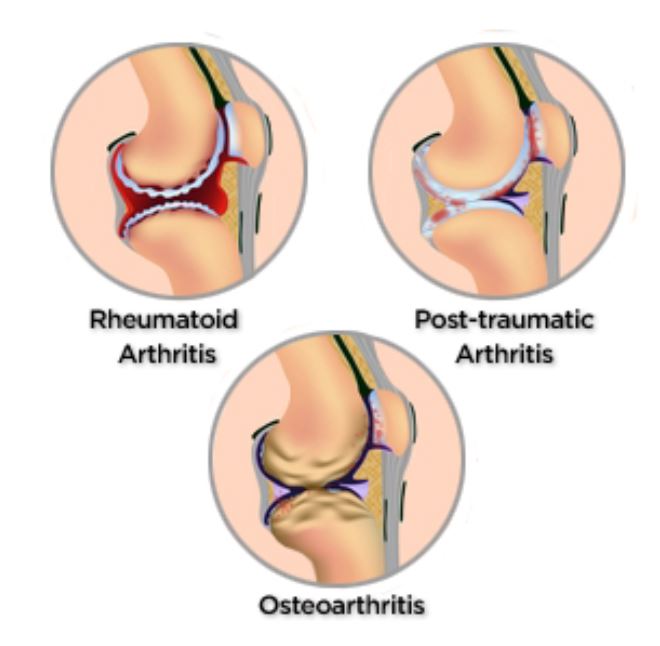
Posttraumatic arthritis is form of arthritis that develops after an injury to the knee.  

For example, a broken bone may damage the joint surface and lead to arthritis years after the injury.

Meniscal tears and ligament injuries can cause instability and additional wear on the knee joint, which over time can result in arthritis.

Source: http://orthoinfo.aaos.org/topic.cfm?topic=A00212

read more
acassaraPost-traumatic Arthritis

Overuse Injuries

on December 15, 2015
Not all injuries are caused by a single, sudden twist, fall, or collision. Overuse injuries occur gradually over time, when an athletic activity is repeated so often, parts of the body do not have enough time to heal between playing.


Overuse injuries can affect muscles, ligaments, tendons, bones, and growth plates. For example, overhand pitching in baseball can be associated with injuries to the elbow. Swimming is often associated with injuries to the shoulder. Gymnastics and cheerleading are two common activities associated with injuries to the wrist and elbow.

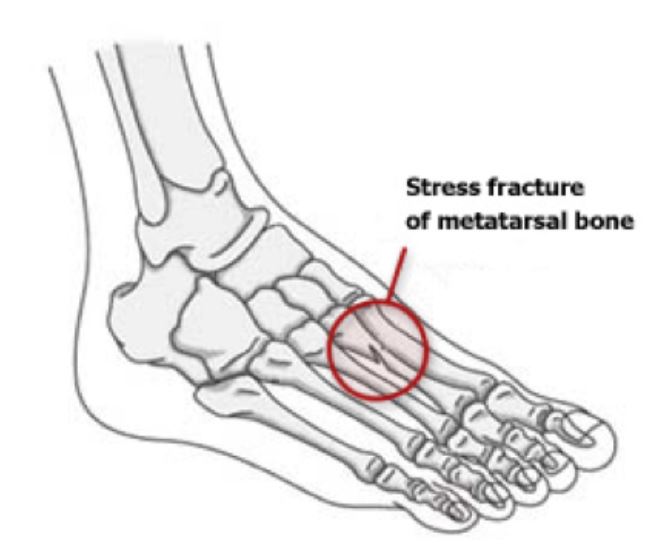
Stress fractures are another common overuse injury in young athletes. Bone is in a constant state of turnover—a process called remodeling. New bone develops and replaces older bone. If an athlete's activity is too great, the breakdown of older bone occurs rapidly, and the body cannot make new bone fast enough to replace it. As a result, the bone is weakened and stress fractures can occur—most often in the shinbone and bones of the feet.

Source: Dr. Thomas M. Mitchell DC, CCSP - Chicago Institute for Health and Wellness

read more
acassaraOveruse Injuries

Osteoporosis Prevention

on December 8, 2015

Although osteoporosis will occur in all persons as they age, the rate of progression and the effects can be modified with proper early diagnosis and treatment.

During growth and young adulthood, adequate calcium nutrition and Vitamin D and regular weight-bearing exercises, such as walking, jogging, and dancing, three to four hours a week, build strong bones and are investments in future bone health.

Smoking and consuming excessive amounts of alcohol should be avoided because they increase bone loss. As people age, appropriate intake of calcium and Vitamin D and regular exercise, as well as avoidance of smoking and excessive alcohol use, are necessary to reduce loss of bone mass.

Source: http://orthoinfo.aaos.org/topic.cfm?topic=A00315

read more
acassaraOsteoporosis Prevention

Acute Injuries

on December 1, 2015
Acute injuries are caused by a sudden trauma.

Examples of trauma include collisions with obstacles on the field or between players.
Common acute injuries among young athletes include contusions (bruises), sprains (a partial or complete tear of a ligament), strains (a partial or complete tear of a muscle or tendon), and fractures.
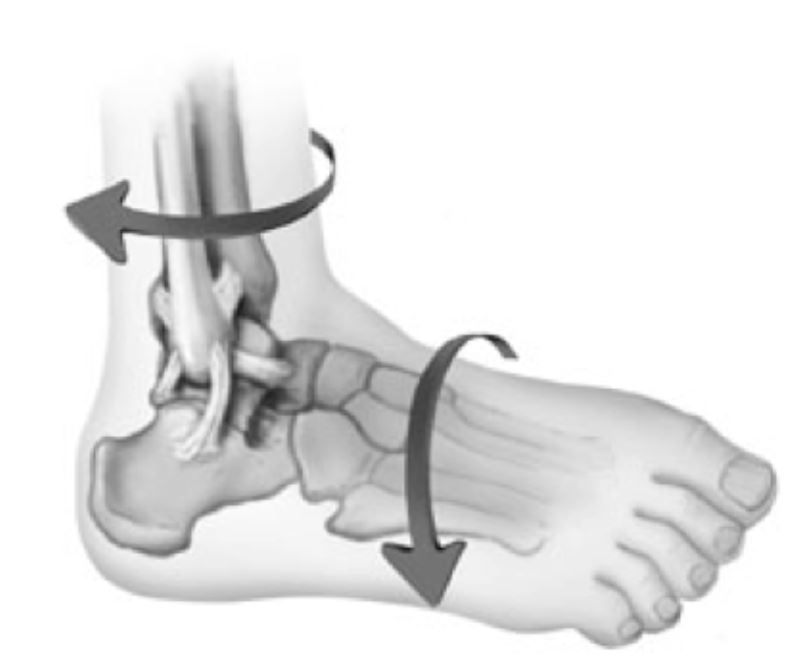
A twisting force to the lower leg or foot is a common cause of ankle fractures, as well as ligament injuries (sprains).
Reproduced and modified with permission from The Body Almanac. © American Academy of Orthopaedic Surgeons, 2003.
read more
acassaraAcute Injuries

Rheumatoid Arthritis

on November 24, 2015

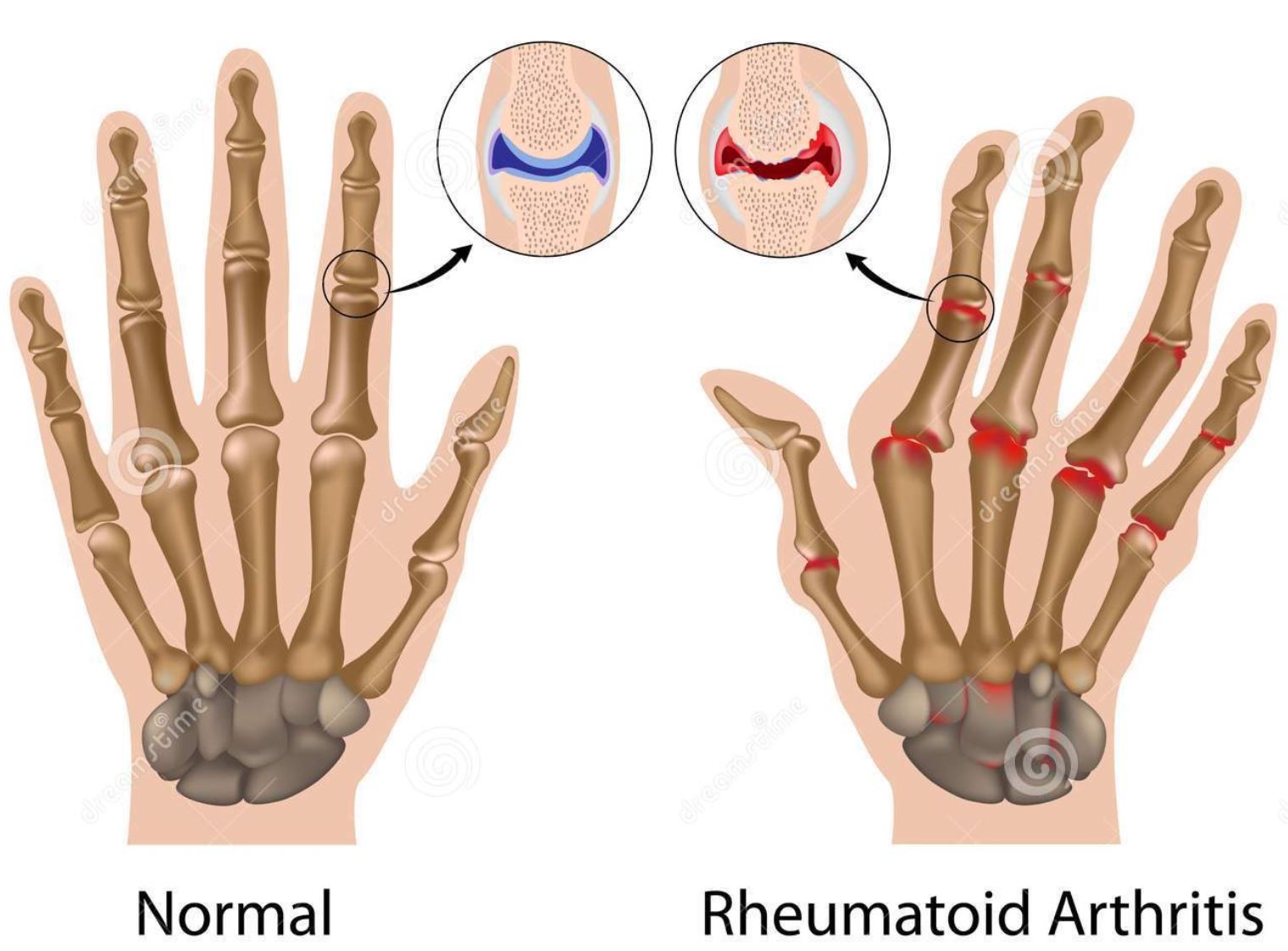
Rheumatoid arthritis affects everyone differently. For some, joint symptoms develop gradually over several years. In others, it may come on quickly.Some people may have rheumatoid arthritis for a short time and then go into remission, which means they don’t have symptoms.

Who Gets Rheumatoid Arthritis?

Anyone can get RA. It affects about 1% of Americans.The disease is two to three times more common in women than in men, but men tend to have more severe symptoms.It usually starts in middle age. But young children and the elderly also can get it.

What Causes It?

Doctors don’t know the exact cause. Something seems to trigger the immune system to attack the joints and sometimes other organs. Some experts think that a virus or bacteria may change the immune system, causing it to attack the joints. Other theories suggest that in some people, smoking may lead to rheumatoid arthritis.Certain genetic patterns may make some people more likely to get RA than others.

How Does It Affect the Body?

Immune system cells move from the blood into the joints and joint-lining tissue, called synovium. Once they arrive, those immune system cells create inflammation that leads to irritation, which wears down cartilage (the cushioning material at the end of bones). As the cartilage wears down, the space between the bones narrows. As it gets worse, the bones could rub against each other.Inflammation of the joint lining causes swelling and makes fluid build up within the joint. As the lining expands, it can damage the bone.All of these things cause the joint to become very painful, swollen, and warm to the touch.

read more
acassaraRheumatoid Arthritis

Osteoporosis Prevention

on November 17, 2015
More than 2 million fractures occur related to osteoporosis each year. Most people are unaware that they have osteoporosis until a fracture occurs.
The exact medical cause for osteoporosis is not known, but a number of factors are known to cause osteoporosis, including
  • Aging
  • Physical inactivity
  • Reduced levels of estrogen
  • Heredity
  • Excessive cortisone or thyroid hormone
  • Smoking
  • Excessive alcohol intake

The loss of bone tends to occur most in the spine, lower forearm above the wrist, and upper femur or thigh-the site of hip fractures. Spine fractures, wrist fractures, and hip fractures are common injuries in older persons.

A gradual loss of bone mass, generally beginning about age 35, is a fact of life for everyone. After growth is complete, women ultimately lose 30% to 50% of their bone density, and men lose 20% to 30%.

Women lose bone calcium at an accelerated pace once they go through menopause. Menstrual periods cease because a woman's body produces less estrogen hormone, which is important for the maintenance of bone mass or bone strength. Your family doctor or gynecologist may evaluate and recommend a treatment program of estrogen replacement therapy, calcitonin or other medications. To be most effective, the treatment program should begin at menopause.

Source: http://orthoinfo.aaos.org/topic.cfm?topic=A00315

read more
acassaraOsteoporosis Prevention

Age & Bone Health Fitness

on November 10, 2015

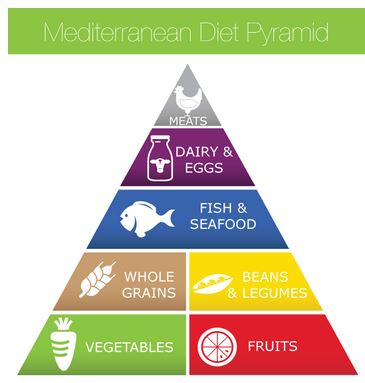
A number of studies have linked the Mediterranean diet (high in fish oils, nuts, and grains and including maybe a little red wine) with advantageous effects on neurologic and mental health.

Dr. Deans, assistant clinical professor of Psychiatry at Columbia University College of Physicians & Surgeons in New York City cited recent work reporting that adults who followed the Mediterranean dietary pattern the closest over 4.4 years had a significantly reduced risk of developing depression (40%-60%).

Also, a 2014 meta-analysis by Felice Jacka, PhD, of Deakin University in Melbourne, Australia, and colleagues found that 47% of the randomized controlled trials included reported improved depression outcomes with dietary interventions, levels comparable to those of drug trials. These data are doubly promising given that dietary interventions are relatively low-risk.

Source: Bret S. Stetka, MD, July 07, 2015 http://www.medscape.com/viewarticle/847304

read more
acassaraAge & Bone Health Fitness

Exercises For Stronger Bones

on October 26, 2015

There are many different types of exercises and all of them offer health benefits.

Weightbearing Exercise

Weight-bearing describes any activity you do on your feet that works your bones and muscles against gravity. When your feet and legs carry your body weight, more stress is placed on your bones, making your bones work harder.

Examples of weight-bearing exercise include:

  • Brisk walking and hiking
  • Jogging/running
  • Dancing
  • Jumping rope
  • Tennis
  • Team sports, such as basketball and soccer
  • Stair climbing

Higher impact activities, such as jogging and jumping rope, increase the weight on bones and provide more bone-strengthening benefits. However, people who are frail or who have already been diagnosed with thinning bone should talk to their doctors about the types of physical activity that would be best for them.

Source: http://orthoinfo.aaos.org/topic.cfm?topic=A00674

read more
acassaraExercises For Stronger Bones

Key Nutrients In Bone Health

on October 19, 2015

Many other nutrients — most found naturally and at sufficient levels in a typical diet — contribute to bone health and growth. They include:

  • Phosphorus. A major mineral in the body's bone crystal, phosphorus is found in dairy products and meat. Vitamin D improves phosphorus absorption in the intestine and kidney.
  • Magnesium. Primarily found in bone crystals, magnesium improves bone strength. Older adults are more likely to be deficient in magnesium. Calcium supplements that contain magnesium can help.
  • Vitamin K. Necessary for bone formation and mineralization, Vitamin K also is important for blood clotting, and may assist in channeling calcium directly to the bone rather than the blood vessels.
  • Vitamin C. Collagen is the main protein in bone, and Vitamin C is necessary for collagen synthesis. Vitamin C is present in citrus fruits and tomatoes and in many vegetables.
  • Vitamin A. Vitamin A is necessary for cells to differentiate normally and for normal skeletal growth, and also is extremely important for eye health. Vitamin A is available in liver, eggs, butter, green leafy vegetables and carrots. Too little vitamin A is a major cause of blindness worldwide. In contrast, too much vitamin A can cause bone loss and increase the risk of hip fracture. The animal source supplements (retinols) may cause toxicity but plant sources (B carotene) do not. Daily intake of retinols should be less than 10,000 IU.

Source: http://orthoinfo.aaos.org/topic.cfm?topic=A00317

read more
acassaraKey Nutrients In Bone Health