December 2015

All posts from December 2015

Concussion

on December 29, 2015

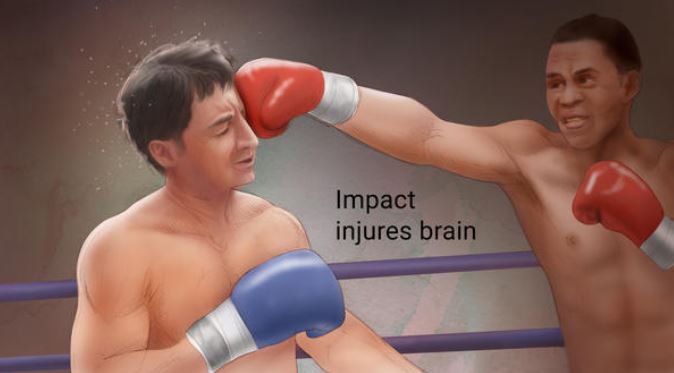
A concussion is a traumatic brain injury that alters the way your brain functions.
Effects are usually temporary but can include headaches and problems with concentration, memory, balance and coordination.
Although concussions usually are caused by a blow to the head, they can also occur when the head and upper body are violently shaken.
These injuries can cause a loss of consciousness, but most concussions do not. Because of this, some people have concussions and don't realize it.
Concussions are common, particularly if you play a contact sport, such as football. But every concussion injures your brain to some extent. This injury needs time and rest to heal properly.

Most concussive traumatic brain injuries are mild, and people usually recover fully.
read more
acassaraConcussion

Post-traumatic Arthritis

on December 22, 2015
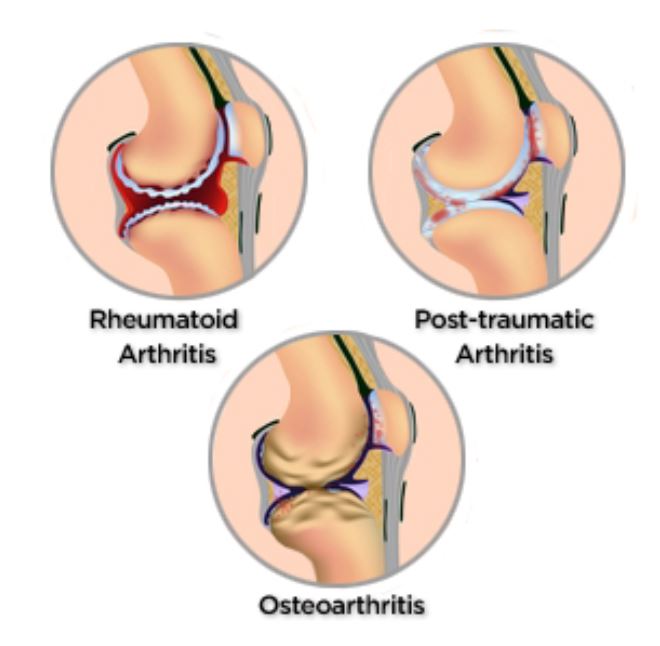
Posttraumatic arthritis is form of arthritis that develops after an injury to the knee.  

For example, a broken bone may damage the joint surface and lead to arthritis years after the injury.

Meniscal tears and ligament injuries can cause instability and additional wear on the knee joint, which over time can result in arthritis.

Source: http://orthoinfo.aaos.org/topic.cfm?topic=A00212

read more
acassaraPost-traumatic Arthritis

Overuse Injuries

on December 15, 2015
Not all injuries are caused by a single, sudden twist, fall, or collision. Overuse injuries occur gradually over time, when an athletic activity is repeated so often, parts of the body do not have enough time to heal between playing.


Overuse injuries can affect muscles, ligaments, tendons, bones, and growth plates. For example, overhand pitching in baseball can be associated with injuries to the elbow. Swimming is often associated with injuries to the shoulder. Gymnastics and cheerleading are two common activities associated with injuries to the wrist and elbow.

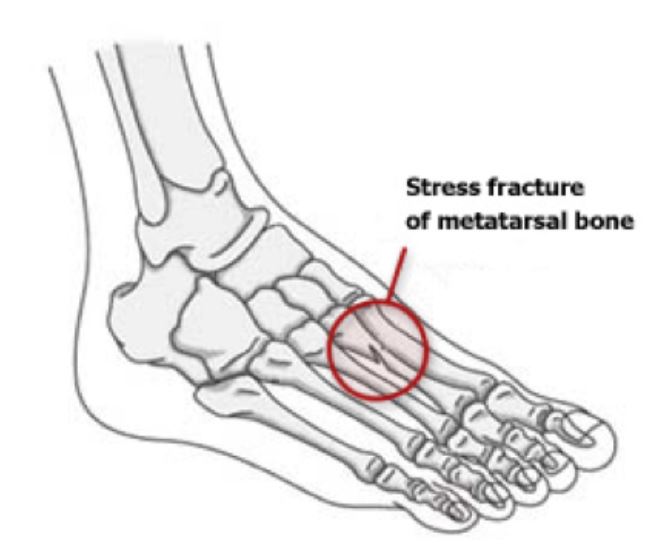
Stress fractures are another common overuse injury in young athletes. Bone is in a constant state of turnover—a process called remodeling. New bone develops and replaces older bone. If an athlete's activity is too great, the breakdown of older bone occurs rapidly, and the body cannot make new bone fast enough to replace it. As a result, the bone is weakened and stress fractures can occur—most often in the shinbone and bones of the feet.

Source: Dr. Thomas M. Mitchell DC, CCSP - Chicago Institute for Health and Wellness

read more
acassaraOveruse Injuries

Osteoporosis Prevention

on December 8, 2015

Although osteoporosis will occur in all persons as they age, the rate of progression and the effects can be modified with proper early diagnosis and treatment.

During growth and young adulthood, adequate calcium nutrition and Vitamin D and regular weight-bearing exercises, such as walking, jogging, and dancing, three to four hours a week, build strong bones and are investments in future bone health.

Smoking and consuming excessive amounts of alcohol should be avoided because they increase bone loss. As people age, appropriate intake of calcium and Vitamin D and regular exercise, as well as avoidance of smoking and excessive alcohol use, are necessary to reduce loss of bone mass.

Source: http://orthoinfo.aaos.org/topic.cfm?topic=A00315

read more
acassaraOsteoporosis Prevention

Acute Injuries

on December 1, 2015
Acute injuries are caused by a sudden trauma.

Examples of trauma include collisions with obstacles on the field or between players.
Common acute injuries among young athletes include contusions (bruises), sprains (a partial or complete tear of a ligament), strains (a partial or complete tear of a muscle or tendon), and fractures.
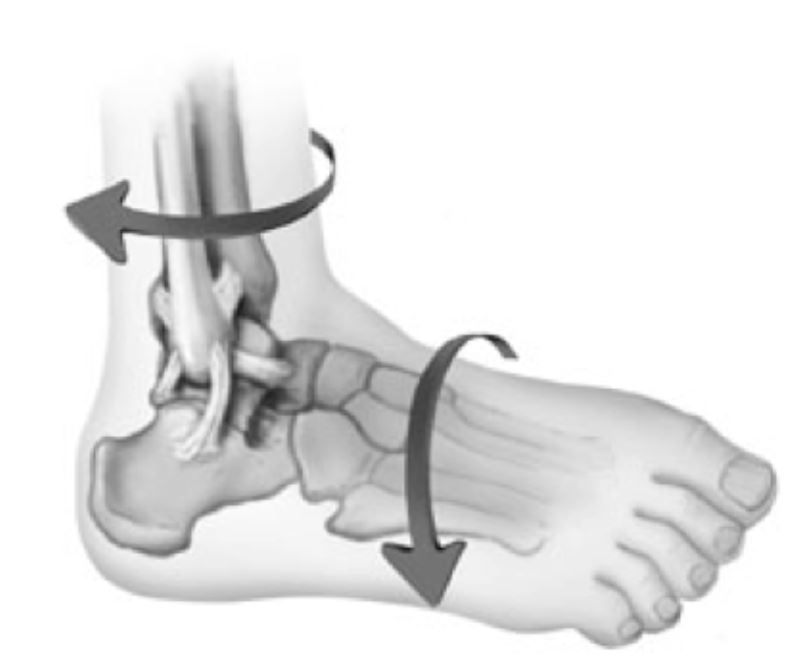
A twisting force to the lower leg or foot is a common cause of ankle fractures, as well as ligament injuries (sprains).
Reproduced and modified with permission from The Body Almanac. © American Academy of Orthopaedic Surgeons, 2003.
read more
acassaraAcute Injuries